What Is a Hangover?
The term hangover describes a constellation of unpleasant and agonizing symptoms that can develop after drinking too much alcohol. Those signs can vary from moderate pain to the more serious signs explained above.
http://ragingalcoholic.com/high-functioning-alcoholic/
There is no set quantity of alcohol that will cause a hangover, because each individual reacts to alcohol in a different way, but generally, the more you had to drink, the more extreme the hangover signs.

The Signs of a Hangover
Most of the unpleasant signs experienced throughout a hangover are dued to two elements: the diuretic alcohol impact that triggers the enthusiast to end up being dehydrated, and the harmful impacts of alcohol poisoning of numerous systems of the body.
Excessive quantities of alcohol can impact the liver, the brain, the gastrointestinal system, the central nervous system and sensory understanding. It can interrupt your sleep and other body rhythms, impact your mood and impact your interest and concentration.
"Hangover Symptoms".
The Reasons for a Hangover.
The majority of the signs experienced throughout a hangover are dued to the direct effect of alcohol on the body's systems, as pointed out above, but there are lots of other factors that can contribute to the unpleasantness of a hangover that are not direct effects of the alcohol consumed.
Hangover symptoms can likewise be dued to the withdrawal of alcohol from the body, the effects of metabolites produced when alcohol is taken in, other chemicals found in liquors, behaviors associated with drinking and individual attributes of the enthusiast.
"Hangover Causes".
The Cure for Hangovers.
There are lots of traditional practices that are believed to alleviate hangover signs, but a few of them are unproven myths that actually don't assist much at all. There are some practices that can in fact make matters worse.
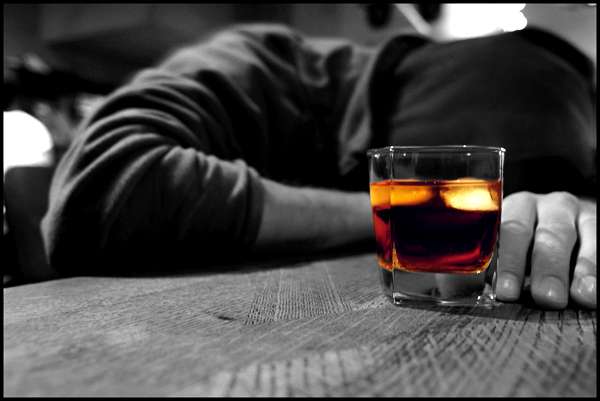
Left alone, hangover signs will go away by themselves within 8 to 1 Day, however when your head is pounding and the room is spinning, any treatment that can bring relief can seem like a good idea.
"Hangover Cures".
Preventing a Hangover.
The best remedy for a hangover is to never ever get one in the first place. People who drink nonalcoholic beverages do not get hangovers, and typically speaking, those who drink moderate quantities-- one drink a day for women and no greater than 2 a day for men-- do not experience hangover symptoms.
If you consume any alcohol at all, though, you can experience unfavorable repercussions the next early morning. Although there is no sure way to get rid of all of the discomfort of a hangover, there are steps that you can take to minimize the intensity of the symptoms.
"Hangover Prevention".
The Hangover as a Deterrent.
http://ragingalcoholic.com/is-alcoholism-a-disease/
For lots of people who experience a specifically serious hangover, it can be the inspiration to never drink excessively once again. It takes place every day: somebody has a really bad experience after consuming excessive and they simply decide to quit drinking and they never drink again.
Others, however, remain to consume regardless of repeated bouts with severe hangover signs. Remaining to consume despite poor repercussions can be sign of alcohol addiction or alcohol dependence or, at the minimum, alcohol abuse. Heavy drinkers who have actually sworn to themselves "never once more" throughout a hangover, however return to consuming a short time later on, have, by definition, a drinking problem.
http://www.webmd.com/mental-health/addiction/alcohol-abuse-and-dependence-topic-overview
Alcoholism and Your Psychology
Mental health conditions not only arise from consuming too much alcohol. They can also compel people to drink too much.
There is some evidence linking light drinking with improved physical health in some adults. Between one and three units on a daily basis have been http://www.azlyrics.com/lyrics/commonkings/alcoholic.html found to help defend against heart disease, dementia, and Alzheimer's Disease, and a small glass of red wine daily may reduce risk of stroke in women.
However there is much more proof showing that drinking too much alcohol leads to severe physical and mental diseases.
Put very simply, a major reason for drinking alcohol is to change our mood - or change our mental state. Alcohol can temporarily alleviate feelings of anxiety and depression; it can also help to temporarily relieve the symptoms of more serious mental health conditions.
Alcohol issues are more common among people with more severe mental health conditions. This does not necessarily mean that alcohol compels severe mental disease. Drinking to deal with difficult feelings or symptoms of mental disorder is sometimes called 'self-medication' by individuals in the mental health field. This is often why individuals with mental health conditions drink. But it can make existing mental health issues worse.
Evidence shows that people who consume high amounts of alcohol are vulnerable to higher levels of mental ill health and it can be a contributory factor in some emotional disorders, such as depression.
How does drinking affect our moods and mental health?
When we have alcohol in our blood, our mood changes, and our behaviour then even changes. Alcohol depresses the central nervous system, and this can make us less inhibited in our behaviour.
Alcohol can even reveal or magnify our underlying feelings. When drinking, this is one of the reasons that many people become aggressive or angry. If our underlying feelings are of anxiety, anger or unhappiness, then alcohol can magnify them.
What about the after-effects?
consequence of drunk driving
When the effects have worn off, one of the main conditions associated with using alcohol to deal with anxiety and depression is that people may feel much worse. Alcohol is thought to use up and reduce the amount of neurotransmitters in the brain, but the brain needs a certain level of neurotransmitters needs to ward off anxiety and depression. This can lead some people to drink more, to ward off these difficult feelings, and a dangerous cycle of dependence can develop.
Alcohol conditions are more common among individuals with more severe mental health problems. If our underlying feelings are of anger, unhappiness or anxiety, then alcohol can magnify them.

2O Excuses To Stop Drinking Alcohol Today
Alcohol addiction is a chronic and deadly illness. After extended exposure to alcohol, the brain adjusts to the distortions alcohol creates and becomes dependent on it. The longing for alcohol may be as unyielding as the need for water and food.
Drinking alcohol in moderate amounts may not be detrimental to your health. A woman may have 1 drink per day and a man may have 2 to 3 drinks per day.
signs of alcoholism
Here are a number of reasons to stop drinking:
Alcohol is unhealthy for your blood pressure. Even moderate amounts of alcohol can trigger the blood pressure to rise, most especially in more mature men and women.
Alcoholics are more vulnerable to liver conditions. It can cause varicose veins in the stomach lining which may swell up due to liver obstruction and all of a sudden ruptured. The bleeding can be extremely difficult to quit.
It deteriorates your body's defenses. Chronic drinkers have weak body immune systems and are more susceptible to infections, allergies, and diseases. Their injuries also take more time to regenerate than normal.
Heavy alcohol consumption may make your bones weak and make you more susceptible to bone disease.
Consuming alcohol can inhibit the development of new bone cells and give rise to low bone mass.
Problem drinkers have a greater danger of infection after a heart surgery. Chronic alcoholics are 4 times more likely to develop post-operative infections following heart surgery than nonalcoholic individuals.
Alcohol upsets your body's biological rhythms. Alcohol affects your heart rate, body temperature, hormone levels and pain limit. Drinking alcohol can have unfavorable consequences on these biological rhythms. Alcoholics also do not eat properly and have disrupted sleep at nights, thus impacting their health and wellness in the long run. Long-term impacts of consuming alcohol are irreversible damage to essential organs such as the brain and liver. Drinking alcohol causes bad memory and coordination, bad judgment, slowed reflexes and even blackouts.
Mothers who consume alcohol while pregnant give birth to babies experiencing fetal alcohol syndrome (FAS). These infants might suffer from mental retardation and other irreparable physical problems.
Additionally, research shows that children of alcoholic moms and dads are at higher threat than other kids of eventually becoming alcoholics.
Alcohol is often related to
Obesity. Alcoholics are generally overweight since alcohol has lots of calories, so, even some drinks a day will fatten you up in no time at all. And alcohol has no essential nutrients such as minerals and vitamins.
Alcohol cause irregular heart beat. It enhances the danger of establishing a certain kind of irregular heart beat, known as atrial fibrillation, or atrial flutter.
Alcohol can serve as a 'Blood Thinner'. Consuming even moderate amounts of alcohol can influence blood coagulation and act as a blood thinner.

Research shows that heavy drinkers are commonly also heavy cigarette smokers.
Alcoholics often suffer from https://ncadd.org/learn-about-alcohol/alcohol-abuse-self-test clinical depression and stress.
Alcoholics might have severe sleep conditions and those who are trying to quit, may likewise struggle with these sleep issues for many months after quitting.

Alcohol might damage the thyroid function in females.
Alcohol is damaging for your sexuality. It provides a high probability for sexual dysfunctions that may cause impotence and erection issues.
Alcohol addiction makes you more prone to violent and abusive behavior.
Alcohol also increases the risks of domestic violence, like child abuse and crashes while driving. Alcohol consumption makes your mind temporarily a little crazy and you may not recognize exactly what you are doing. For this reason there are more possibilities of sexual violence.|Alcohol also increases the risks of domestic violence, child abuse and accidents while driving. Alcohol consumption makes your mind temporarily a little crazy and you might not realize what you are doing.
You might also suffer from a hangover after ingesting large amounts of alcohol. You may experience headache, nausea, thirst, tiredness, and dizziness.
Extended usage of alcohol may result in dependency (addiction to alcohol).
And unexpected stopping may produce withdrawal symptoms, consisting of extreme stress and anxiety, hallucinations, convulsions and tremors.
After long term exposure to alcohol, your brain adapts to the changes alcohol produces and comes to be dependent on it. Drinking alcohol in moderate quantities may not be injurious for your physical health. Drinking alcohol can have unfavorable effects on these biological rhythms. Alcoholics are normally obese due to the fact that alcohol is full of calories, so, even some alcoholic beverages a day will probably fatten you up in no time. Alcohol also enhances the risks of domestic violence, child abuse and injuries while driving.
sons of liberty
What's The Definition Of Binge Drinking?
The actual amount of alcohol you need to drink in a session for it to be labeled as binge http://en.wikipedia.org/wiki/Alcohol_abuse drinking varies depending on who you ask, but the standard definition is roughly 8 units of alcohol (around 3 pints of strong beer), and 2-3 units of alcohol for women (around 2 large glasses of wine) consumed in a brief period of time.
However, these numbers are far from accurate, and in the real world, binge drinking is better defined by the level of intoxication than the quantity of alcohol. The National Institute on Alcohol Abuse and Alcoholism (NIAAA) designates binge drinking as "a pattern of drinking that brings a person's blood alcohol concentration (BAC) to.08 % or above".
In layperson's terms, if you're drinking to "get drunk ", you're binge drinking.
Just what Are The Results Of Binge Drinking?
Numerous research studies have confirmed that consuming significant quantities of alcohol in single drinking sessions is actually more harmful to your overall health than consuming lesser amounts on a regular basis.
In lots of countries, binge drinking is considered an acceptable social activity among younger professionals and university or college age kids. As a matter of fact, frequent binge drinking is frequently seen as a rite of passage into maturity. Even so, it's far away from 100 % safe. Getting significantly intoxicated could detrimentally impact both your physical and mental well being:
early signs of alcoholism
Binge drinkers use exceptionally bad judgment and aggression. Binge drinkers frequently make bad decisions they wouldn't make when sober or when drinking within their limits.
2. Accidents and falls are commonplace. This is because of the severe effects intoxication has on judgment, balance and motor skills.
3. In rare instances, binge drinkers can experience deadly alcohol poisoning. Binge drinkers are likewise vulnerable to suffocating to death on their own throw up if they pass out on their back. If you are caring for a person who is passed out drunk, always make sure to keep them face down.
Binge drinking is a gateway to long term misuse and dependence. For those who have addictive inclinations or for whom alcohol dependence runs deep in the family, averting binge drinking sessions may be a way to avert plummeting into the quicksand of alcohol dependence in the first place.

5. Binge drinking is able to induce clinical depression in some people, especially when its utilized as a way to cloak psychological and mental pain.
6. Regularly engaging in binge drinking poses long term health and well-being risks, including increased possibility of stroke, heart disease, liver disease, and high blood pressure.
Should I Refrain From Binge Drinking Entirely?
sons of liberty
If you have difficulties with alcohol, then yes, binge drinking is a definite no-no. Many young adults get hammered on weekends and have a good time.
I had a terrific time partying and drinking in college and a fair bit afterwards. Clearly, things started going south for me eventually, but I have lots of close friends whom party and binge on occasion, yet do so sensibly and lead thoroughly gratifying lives without any alcohol tolerance or abuse troubles.
I can't instruct you not to binge drink, however, I can instruct you that it's not without its risks. Accidents and problems do happen, and some of these accidents and problems can have irreversible, life changing consequences.
Do it as responsibly as possible if you're going to binge drink. Also, pay attention these warning signs that might advise you when your weekend social binge drinking has morphed into a serious alcohol problem:
* The repercussions of a wild night out are continuously escalating
* You start to binge drink more and more frequently
* You are experiencing troubles with the police
* You've had a pregnancy scare
* You drive and drink
* You never go more than a few weeks without binge drinking
* You've lost consciousness somewhere without any one to look out for you
* You've vomited in your sleep
* You're running up charge card debt to afford your bar-hopping habits
* You have unsafe sex activity
* Friends/family have actually challenged you about your alcohol consumption
* You binge drink alone (big red flag here).
In numerous countries, binge drinking is considered a satisfactory social activity amongst young professionals and college and university age children. Regular binge drinking is oftentimes viewed as a rite of passage into adulthood. Binge drinkers normally make bad judgments they definitely would not make when clear-headed or when drinking within their limits. When it comes to those with addictive inclinations or for whom alcohol dependency runs the family, avoiding binge drinking sessions may be a way to keep away from diving into the quicksand of alcoholism at all.
If you have issues with alcohol, then yes, binge drinking is a definite no-no.
Harm of Alcohol Abuse
Alcohol Abuse
Alcohol abuse is identified as a pattern of drinking alcohol that produces one or more of the following scenarios within a 12-month time frame:
Failure to meet crucial work, school, or home duties
Drinking in circumstances that are physically unsafe, like while operating or driving an automobile machinery
Having recurring alcohol related legal problems, such as being detained for operating a vehicle under the influence of alcohol or for physically harming somebody while drunk
Continued drinking in spite of having continuing relationship issues that are triggered or intensified by the drinking.
Alcohol addiction, or alcohol dependence, is the most severe kind of alcohol abuse. It is a chronic condition defined by the consumption of alcohol at a level that interferes with mental and physical health and well-being and with family and social responsibilities. An alcoholic will likely continue to drink despite severe health, family, or legal problems.
Alcohol addiction is influenced by both ecological and hereditary variables. Alcoholism is chronic: It lasts an individual's lifespan. It usually follows a predictable course and has recognizable symptoms.
Alcohol abuse and alcohol addiction cut across race, gender, and ethnicity. Approximately 14 million individuals in the United States are dependent on alcohol. More guys than females are alcohol dependent or have alcohol problems. Alcohol troubles are highest among young adults ages 18-29 and lowest among adults ages 65 and older. People who begin drinking at an early age have a higher possibility of establishing alcohol issues at some point in their lives.
Alcohol's effects vary with age. Slower response times, problems with hearing and seeing, and a lower tolerance to alcohol's effects put older people at higher risk for falls, vehicle crashes, and other types of accidental injuries that might result from drinking. More than 150 medications interact harmfully with alcohol.
Alcohol also impacts females differently than guys. Women become more impaired than guys do after drinking the same amount of alcohol, even when differences in body weight are considered. Additionally, chronic alcohol abuse takes a heavier physical cost on women than on guys. Alcoholism and associated health troubles, such as liver, brain, and heart damage, get worse more quickly in women.
Alcohol dependency, or alcohol dependence, is the most serious kind of alcohol abuse. More guys than women are alcohol dependent or have alcohol problems. Individuals who begin drinking alcohol at an early age have a higher chance of experiencing alcohol issues at some http://www.emedicinehealth.com/alcoholism/article_em.htm point in their lives.

Slower reaction times, problems with hearing and seeing, and a lower tolerance to alcohol's effects put older individuals at higher danger for falls, automobile crashes, and other types of injuries that may result from drinking.
Clinical depression: Recognizing the Physical Manifestations
Treating Physical Indicators
The majority of us understand the psychological signs of depression. You may not know that depression can be associated with lots of physical indicators, too.
In fact, many individuals with depression endure persistent pain or other physical signs and symptoms. These consist of:
Headaches.
These are relatively typical in people with clinical depression. They might seem worse if you're depressed if you previously had actually migraine headaches.
Pain in the back.
It may be even worse if you come to be depressed if you already suffer with back pain.
Muscle aches and joint discomfort. Depression can make any type of persistent soreness worse.
Chest discomfort.
Clearly, it's essential to obtain chest discomfort looked into by an professional right away. It can be a indicator of severe heart, stomach, lung or other issues. Depression can contribute to the discomfort associated with chest pain.
Digestive issues.
You may feel queasy or nauseated . You might have looseness of the bowels or come to be persistantly constipated.
Low energy and tiredness.
No matter what amount you sleep, you may still feel exhausted or worn out. Getting out of the bed in the early morning may seem to be very hard, even impossible.
Sleeping troubles.
Lots of people with depression can't sleep well anymore. They wake up prematurely or cannot go to sleep when they get into bed. Others sleep a lot more than typical.
Modification in desire for foods or body weight.
Some individuals with clinical depression lose their appetite and slim down. Others discover they long for certain foods-- especially those with high carbohydrates-- and weigh more.
Dizziness or lightheadedness.
Since these manifestations occur with many conditions, lots of depressed individuals never ever get help, since they don't know that their physical symptoms might be dued to depression. A lot of physicians miss out on the manifestations, too.
These are fairly common in individuals with depression. Obviously, it's really important to get chest soreness examined by an expert right away. Clinical depression can contribute to the discomfort associated with chest discomfort.

Many people with clinical depression can't sleep well any longer. Some individuals with depression lose their appetite and lose weight.
Depression and Alcohol Consumption
Depression: Spotting the Bodily Symptoms
Treating Physical Indicators
Most of us understand the mental manifestations of clinical depression. But you might not recognize that depression can be connected with numerous physical symptoms, too.
Many people with clinical depression suffer from chronic discomfort or other physical signs and symptoms. These consist of:
Headaches.
These are fairly common in individuals with clinical depression. If you previously had migraine headaches, they may appear worse if you're depressed.
Back discomfort.
If you already endured back discomfort, it may be even worse if you come to be clinically depressed.
Muscle aches and joint soreness. Depression can make any sort of chronic soreness even worse.
Certainly, it's really vital to get chest pain examined out by an professional right away. Clinical depression can contribute to the pain associated with chest pain.
Digestion problems.
You may feel queasy or nauseated . You might have diarrhea or come to be persistantly constipated.
Exhaustion and tiredness.
No matter what amount you sleep, you might still feel fatigued or worn out. Getting out of the bed in the morning may seem very hard, even impossible.
Many individuals with depression cannot sleep well anymore. They wake up too early or cannot fall asleep when they get into bed .
Change in desire for food or body weight.
Some people with depression lose their appetite and drop weight. Others discover they long for certain foods-- especially those with high carbohydrates-- and gain weight.
Dizziness or lightheadedness.
Due to the fact that these symptoms occur with many conditions, many depressed people never get help, due to the fact that they don't recognize that their physical signs might be caused by depression. A great deal of medical professionals miss the indicators, too.
These are relatively typical in people with depression. Obviously, it's extremely important to get chest soreness looked at by an expert right away. Clinical depression can contribute to the pain associated with chest soreness.
Numerous people with clinical depression cannot sleep well anymore. Some people with clinical depression lose their desire for food and lose weight.
Depression and Alcohol Consumption
Clinical depression: Recognizing the Physical Manifestations
Addressing Physical Symptoms
Many of us understand the mental signs of clinical depression. But you might not recognize that depression can be connected with numerous physical indicators, too.
In fact, many individuals with depression suffer from persistent pain or other physical indicators. These consist of:
Headaches.
These are relatively common in individuals with depression. They might seem even worse if you're clinically depressed if you already had migraine headaches.
Pain in the back.
If you previously experience back discomfort, it might be even worse if you become clinically depressed.
Muscle pains and joint pain. Clinical depression can make any kind of persistent soreness even worse.
Chest soreness.
Undoubtedly, it's extremely important to obtain chest pain looked into by an expert immediately. It can be a indication of serious heart, stomach, lung or other issues. However depression can add to the pain associated with chest discomfort.
Digestive problems.
You may feel queasy or nauseated . You may have diarrhea or become chronically constipated.
Low energy and fatigue.
No matter what amount you sleep, you might still feel tired or worn out. Leaving the bed in the early morning might seem to be extremely hard, even impossible.
Many people with clinical depression can't sleep well any longer. They wake up too early or cannot fall asleep when they get into bed .

Change in desire for food or weight.
Some individuals with depression lose their appetite and slim down. Others discover they crave specific foods-- especially those with high carbohydrates-- and weigh more.
Dizziness or lightheadedness.
Since these signs occur with lots of conditions, many depressed individuals never get help, because they don't recognize that their physical signs and symptoms might be created by clinical depression. A lot of physicians miss the manifestations, too.
These are relatively typical in people with clinical depression. Clearly, it's very crucial to get chest discomfort checked out by an expert right away. Clinical depression can contribute to the discomfort associated with chest discomfort.
Many individuals with clinical depression can't sleep well any longer. Some individuals with depression lose their appetite and lose weight.
Depression and Alcohol Consumption
http://www.dbsalliance.org/site/PageServer?pagename=education_depression
Clinical depression: Identifying the Bodily Signs
Caring for Physical Signs
The majority of us know of the emotive signs and symptoms of clinical depression. But you may not know that depression can be associated with many physical manifestations, too.
In fact, lots of people with depression experience chronic soreness or other physical indicators. These consist of:
Headaches.
These are fairly common in people with clinical depression. They may seem worse if you're clinically depressed if you already had migraine headaches.
Pain in the back.
It may be even worse if you come to be depressed if you previously suffer with back discomfort.
Muscle aches and joint discomfort. Clinical depression can make any type of chronic soreness even worse.
Chest soreness.
Obviously, it's crucial to obtain chest pain checked out by an professional immediately. It can be a indicator of major heart, stomach, lung or other problems. Depression can contribute to the discomfort associated with chest discomfort.
Digestion problems.
You may feel nauseated or queasy . You might have looseness of the bowels or become persistantly constipated.
Low energy and tiredness.
Regardless of how much you sleep, you might still feel exhausted or worn out. Getting out of the bed in the early morning may seem really hard, even impossible.
Sleeping problems.
Many people with clinical depression can't sleep well any longer. They wake up too early or can't drop off to sleep when they go to bed. Others sleep a lot more than typical.
Change in appetite or body weight.
Some individuals with clinical depression lose their appetite and drop weight. Others discover they yearn for certain foods-- especially those with high carbohydrates-- and gain weight.
Faintness or lightheadedness.
Because these symptoms occur with lots of conditions, many depressed people never get assistance, due to the fact that they don't understand that their physical manifestations might be caused by clinical depression. A great deal of medical professionals miss out on the symptoms, too.
These are fairly typical in individuals with clinical depression. Undoubtedly, it's very vital to get chest pain looked at by an professional right away. Depression can contribute to the discomfort associated with chest soreness.
Lots of people with clinical depression can't sleep well any longer. Some people with clinical depression lose their desire for foods and lose weight.
Depression and Alcohol Consumption
http://dictionary.reference.com/browse/depression
Depression: Spotting the Bodily Symptoms
Caring for Physical Symptoms
Most of us understand the psychological symptoms of clinical depression. You may not recognize that clinical depression can be associated with numerous physical indicators, too.
In fact, lots of people with depression endure chronic soreness or other physical manifestations. These consist of:
Headaches.
These are relatively common in people with clinical depression. They may seem even worse if you're depressed if you already had actually migraine headaches.
Pain in the back.
If you already endured back soreness, it might be worse if you come to be clinically depressed.
Muscle pains and joint pain. Depression can make any type of chronic discomfort even worse.
Obviously, it's extremely crucial to get chest discomfort inspected out by an expert right away. Depression can contribute to the discomfort associated with chest soreness.
Digestion problems.
You may feel queasy or nauseated . You may have looseness of the bowels or come to be chronically constipated.
Exhaustion and tiredness.
Regardless of how much you sleep, you might still feel tired or worn out. Leaving the bed in the early morning might seem to be really hard, even impossible.
Lots of people with depression cannot sleep well anymore. They wake up too early or can't fall asleep when they go to bed .
Modification in appetite or weight.
Some individuals with clinical depression lose their desire for foods and lose weight. Others discover they crave particular foods-- especially those with high carbohydrates-- and gain weight.
Faintness or lightheadedness.
Due to the fact that these symptoms accompany numerous conditions, numerous depressed people never get aid, since they have no idea that their physical indicators might be due to depression. A great deal of medical professionals miss out on the indicators, too.
These are fairly common in individuals with clinical depression. Clearly, it's extremely important to get chest discomfort examined by an professional right away. Depression can contribute to the pain associated with chest discomfort.
Lots of individuals with depression cannot sleep well anymore. Some individuals with clinical depression lose their appetite and lose weight.
Depression and Alcohol Consumption
http://www.mentalhealth.va.gov/depression.asp
Clinical depression: Identifying the Bodily Signs
Caring for Physical Signs
The majority of us understand the emotional manifestations of clinical depression. But you may not recognize that clinical depression can be connected with many physical signs, too.
In fact, many individuals with clinical depression endure chronic soreness or other physical manifestations. These consist of:
Headaches.
These are fairly common in individuals with clinical depression. If you previously had migraine headaches, they might appear worse if you're depressed.
Back pain.
It may be worse if you become depressed if you already suffer with back pain.
Muscle aches and joint soreness. Clinical depression can make any sort of persistent pain worse.
Certainly, it's extremely vital to get chest pain checked out by an professional right away. Clinical depression can contribute to the discomfort associated with chest pain.
Digestive problems.
You might feel queasy or nauseated . You might have looseness of the bowels or come to be chronically constipated.
Low energy and tiredness.
Regardless of what amount you sleep, you may still feel tired or worn out. Getting out of the bed in the early morning might seem to be very hard, even impossible.
Sleeping troubles.
Many people with depression can't sleep well anymore. When they go to bed , they wake up too early or cannot fall asleep. Others sleep much more than typical.
Modification in desire for food or weight.
Some individuals with depression lose their desire for foods and reduce weight. Others discover they crave specific foods-- especially those with high carbs-- and weigh more.
Faintness or lightheadedness.
Since these indicators accompany lots of conditions, many depressed individuals never ever get aid, because they have no idea that their physical signs might be created by clinical depression. A great deal of medical professionals miss the manifestations, too.
These are relatively typical in individuals with depression. Obviously, it's really crucial to get chest discomfort checked out by an expert right away. Clinical depression can contribute to the pain associated with chest discomfort.

Many people with depression cannot sleep well anymore. Some individuals with depression lose their appetite and lose weight.
Depression and Alcohol Consumption
Clinical depression: Spotting the Physical Manifestations
Treating Physical Signs
The majority of us understand about the mental symptoms of depression. You may not know that clinical depression can be associated with many physical manifestations, too.
In fact, many people with clinical depression experience chronic soreness or other physical manifestations. These consist of:
Headaches.
These are fairly typical in people with clinical depression. If you previously had migraine headaches, they may appear even worse if you're depressed.
Pain in the back.
If you previously endured back pain, it might be worse if you come to be clinically depressed.
Muscle aches and joint soreness. Depression can make any sort of persistent soreness worse.
Obviously, it's extremely important to get chest soreness examined out by an professional right away. Clinical depression can contribute to the discomfort associated with chest pain.

Digestive issues.
You may feel nauseated or queasy . You may have diarrhea or come to be chronically constipated.
Low energy and fatigue.
Regardless of what amount you sleep, you might still feel tired or worn out. Leaving the bed in the early morning might seem to be very hard, even impossible.
Numerous people with clinical depression cannot sleep well any longer. They wake up too early or cannot fall asleep when they get into bed .
Change in appetite or weight.
Some individuals with depression lose their desire for food and slim down. Others find they yearn for specific foods-- especially those with high carbohydrates-- and gain weight.
Faintness or lightheadedness.
Since these symptoms occur with many conditions, lots of depressed individuals never ever get aid, because they don't recognize that their physical signs and symptoms might be due to clinical depression. A great deal of doctors miss out on the manifestations, too.
These are fairly typical in individuals with depression. Obviously, it's extremely vital to get chest discomfort examined by an expert right away. Clinical depression can contribute to the pain associated with chest discomfort.
Many individuals with clinical depression can't sleep well anymore. Some people with clinical depression lose their appetite and lose weight.
Depression and Alcohol Consumption
Alcohol Consumption and Your Health
Drinking too much can hurt your health. Exorbitant alcohol consumption caused around 88,000 deaths for around 2.5 million years of potential life lost every year in the USA from 2006-- 2010, reducing the lives of those who passed away by about three decade. Further, extreme drinking was responsible for 1 in 10 deaths amongst working-age adults aged 20-64 years. The economic costs of extreme alcohol consumption in 2006 were estimated at $223.5 billion, or $1.90 a drink.

Exactly what is a "cocktail"?
In the United States, a conventional drink includes 0.6 ounces (14.0 grams or 1.2 tablespoons) of pure alcohol. Generally, this amount of pure alcohol is discovered in.
12-ounces of beer (5 % alcohol content).
8-ounces of malt alcohol (7 % alcohol content).
5-ounces of wine (12 % alcohol content).
1.5-ounces of 80-proof (40 % alcohol content) distilled spirits or liquor (e.g., gin, rum, vodka, scotch).4.
What is extreme drinking?
Excessive drinking consists of binge drinking , heavy drinking, and any drinking by pregnant females or people younger than age 21.
Binge drinking, the most typical form of drinking, is specified as consuming.
For ladies, 4 or more beverages during a single occasion.
For males, 5 or more drinks throughout a single occasion.
Heavy drinking is defined as consuming.
For ladies, 8 or more beverages each week.
For guys, 15 or more beverages weekly.
Most people who drink excessively are not alcoholics or alcohol dependent.5.
Exactly what is moderate drinking?
The Dietary Guidelines for Americans defines moderate drinking as no greater than 1 beverage per day for women and no more than 2 drinks each day for guys.4 However, there are some persons who should not drink any alcohol, consisting of those who are:.
Pregnant or trying to conceive.
When blended with alcohol, taking prescribed or non-prescription medications that may cause damaging reactions.
Below age 21.
Recuperating from alcoholism or are not able to control the quantity they drink.
Suffering from a medical condition that may be worsened by alcohol.
Driving, planning to drive, or participating in other activities needing ability, awareness, and coordination.
In addition, nobody should begin drinking or drink more based on prospective health benefits.4 By sticking to the Dietary Guidelines, you can lower the risk of damage to yourself or others.
http://www.medicaldaily.com/7-health-benefits-drinking-alcohol-247552
Depression: Spotting the Physical Symptoms
Treating Physical Indicators
The majority of us know of the mental symptoms of clinical depression. You might not know that depression can be associated with numerous physical symptoms, too.
In fact, many individuals with depression struggle with persistent pain or other physical manifestations. These include:
Headaches.
These are relatively typical in people with clinical depression. If you previously had migraine headaches, they may seem worse if you're clinically depressed.
Pain in the back.
It might be worse if you come to be depressed if you previously suffer with back discomfort.
Muscle pains and joint discomfort. Depression can make any type of persistent discomfort even worse.
Obviously, it's very vital to get chest soreness inspected out by an expert right away. Depression can contribute to the pain associated with chest pain.
Digestive problems.
You may feel queasy or nauseated . You might have diarrhea or become chronically constipated.
Low energy and tiredness.
Irrespective of what amount you sleep, you might still feel fatigued or worn out. Getting out of the bed in the morning may seem to be really hard, even impossible.
Sleeping troubles.
Many individuals with depression cannot sleep well any longer. They awaken too early or cannot fall asleep when they get into bed. Others sleep much more than average.
Modification in appetite or body weight.

Some people with clinical depression lose their appetite and drop weight. Others find they long for specific foods-- especially those with high carbohydrates-- and weigh more.
Dizziness or lightheadedness.
Because these signs accompany numerous conditions, many depressed individuals never ever get assistance, due to the fact that they have no idea that their physical manifestations might be created by clinical depression. A lot of medical professionals miss the signs, too.
These are relatively common in people with clinical depression. Clearly, it's very vital to get chest pain examined by an expert right away. Clinical depression can contribute to the discomfort associated with chest discomfort.
Many individuals with depression can't sleep well any longer. Some people with depression lose their appetite and lose weight.
Depression and Alcohol Consumption
http://www.medicalnewstoday.com/articles/8933.php
Alcohol Consumption and Your Health
Drinking too much can damage your health. Exorbitant alcohol use resulted in approximately 88,000 deaths for around 2.5 million years of potential life lost each year in the United State of America from 2006-- 2010, reducing the lives of those who passed away by an average of three decade. Further, excessive drinking was accountable for 1 in 10 deaths amongst working-age men and women aged 20-64 years. The financial costs of extreme alcohol use in 2006 were estimated at $223.5 billion, or $1.90 a drink.
Exactly what is a "alcoholic beverage"?
In the United States, a standard beverage contains 0.6 ounces (14.0 grams or 1.2 tablespoons) of pure alcohol. Generally, this amount of pure alcohol is found in.
12-ounces of beer (5 % alcohol material).
8-ounces of malt liquor (7 % alcohol content).
5-ounces of wine (12 % alcohol content).
1.5-ounces of 80-proof (40 % alcohol material) distilled spirits or liquor (e.g., gin, rum, vodka, whiskey).4.
Exactly what is excessive drinking?
Excessive drinking includes binge drinking , heavy drinking, and any drinking by pregnant ladies or individuals below age 21.
Binge drinking, the most common kind of drinking, is defined as consuming.
For women, 4 or more beverages during a single celebration.
For guys, 5 or more beverages throughout a single occasion.
Heavy drinking is specified as consuming.
For women, 8 or more beverages per week.
For guys, 15 or more beverages weekly.
Many people who drink excessively are not alcoholics or alcohol reliant.5.
What is moderate drinking?
The Dietary Guidelines for Americans defines moderate drinking as no greater than 1 beverage each day for women and no more than 2 beverages daily for males.4 However, there are some persons who should not drink any alcohol, consisting of those who are:.
Pregnant or trying to become pregnant.
When blended with alcohol, taking prescribed or non-prescription medications that might cause damaging reactions.
Below age 21.
Recovering from alcohol addiction or are not able to control the quantity they drink.
Experiencing a medical condition that may be intensified by alcohol.
Driving, preparing to drive, or participating in other activities requiring coordination, alertness, and ability.
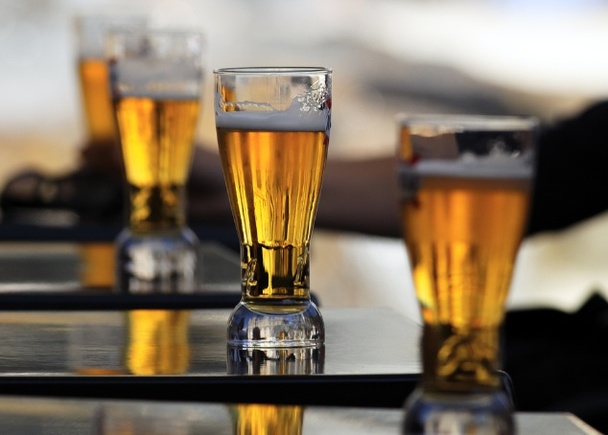
In addition, no one should begin drinking or drink more based upon prospective health advantages.4 By adhering to the Dietary Guidelines, you can lower the danger of harm to yourself or others.
http://health.usnews.com/health-news/articles/2015/07/31/regular-moderate-coffee-drinking-tied-to-better-brain-health-in-seniors
Clinical depression: Recognizing the Bodily Manifestations
Addressing Physical Signs
The majority of us know about the mental signs of depression. But you may not recognize that depression can be connected with numerous physical manifestations, too.
Many individuals with depression suffer from chronic pain or other physical indicators. These consist of:
Headaches.
These are relatively common in individuals with depression. They may seem worse if you're clinically depressed if you previously had migraine headaches.
Back pain.
If you previously suffered with back discomfort, it may be worse if you come to be clinically depressed.
Muscle aches and joint pain. Depression can make any sort of chronic pain worse.
Chest discomfort.
Undoubtedly, it's crucial to get chest pain checked out by an expert immediately. It can be a indication of severe heart, stomach, lung or other issues. Clinical depression can contribute to the pain associated with chest soreness.
Digestive issues.
You may feel queasy or nauseated . You may have diarrhea or come to be chronically constipated.
Exhaustion and fatigue.
No matter how much you sleep, you may still feel fatigued or worn out. Getting out of the bed in the early morning may seem extremely hard, even impossible.
Sleeping problems.

Many people with clinical depression can't sleep well anymore. When they go to bed , they wake up too early or cannot fall asleep. Others sleep much more than average.
Modification in desire for foods or weight.
Some people with clinical depression lose their desire for food and lose weight. Others find they long for certain foods-- especially those with high carbohydrates-- and weigh more.
Dizziness or lightheadedness.
Because these symptoms accompany lots of conditions, numerous depressed people never ever get assistance, because they have no idea that their physical symptoms might be caused by clinical depression. A lot of physicians miss the indicators, too.
These are fairly typical in individuals with depression. Undoubtedly, it's extremely important to get chest pain checked out by an expert right away. Depression can contribute to the discomfort associated with chest soreness.
Many people with clinical depression can't sleep well anymore. Some individuals with clinical depression lose their desire for food and lose weight.
Depression and Alcohol Consumption
http://familydoctor.org/familydoctor/en/diseases-conditions/depression.html
Alcohol Use and Your Health
Drinking excessively can damage your health. Exorbitant alcohol use led to approximately 88,000 deaths for around 2.5 million years of potential life lost every year in the United States from 2006-- 2010, reducing the lives of those who died by an average of three decade. Further, extreme drinking was responsible for 1 in 10 deaths among working-age men and women aged 20-64 years. The financial expenses of extreme alcohol use in 2006 were approximated at $223.5 billion, or $1.90 a drink.
What is a "cocktail"?
In the United States, a conventional beverage includes 0.6 ounces (14.0 grams or 1.2 tablespoons) of pure alcohol. Usually, this quantity of pure alcohol is discovered in.
12-ounces of beer (5 % alcohol content).
8-ounces of malt alcohol (7 % alcohol content).
5-ounces of wine (12 % alcohol material).
1.5-ounces of 80-proof (40 % alcohol material) distilled spirits or liquor (e.g., gin, rum, vodka, bourbon).4.
What is extreme drinking?
Extreme drinking includes binge drinking , heavy drinking, and any drinking by pregnant females or individuals younger than age 21.
Binge drinking, the most common form of drinking, is specified as consuming.
For ladies, 4 or more beverages throughout a single event.
For guys, 5 or more drinks throughout a single celebration.
Heavy drinking is defined as consuming.
For women, 8 or more beverages weekly.
For men, 15 or more drinks each week.
The majority of people who drink exceedingly are not alcoholics or alcohol dependent.5.
Exactly what is moderate drinking?
The Dietary Guidelines for Americans defines moderate drinking as no more than 1 beverage daily for females and no more than 2 beverages daily for guys.4 However, there are some persons who should not drink any alcohol, consisting of those who are:.
Pregnant or trying to conceive.
When mixed with alcohol, taking prescription or non-prescription medications that may cause unsafe responses.
Below age 21.
Recuperating from alcohol addiction or are not able to manage the amount they drink.
Struggling with a medical condition that might be aggravated by alcohol.
Driving, planning to drive, or taking part in other activities requiring coordination, awareness, and skill.
In addition, no one should begin drinking or drink more based on prospective health advantages.4 By sticking to the Dietary Guidelines, you can decrease the risk of damage to yourself or others.
http://en.wikipedia.org/wiki/Moderate_drinking_controversy
Clinical depression: Spotting the Bodily Manifestations
Addressing Physical Manifestations
Many of us know of the emotional indicators of clinical depression. But you may not recognize that clinical depression can be associated with many physical indicators, too.
Numerous people with depression suffer from persistent soreness or other physical symptoms. These consist of:
Headaches.
These are relatively typical in individuals with clinical depression. If you already had migraine headaches, they might appear even worse if you're clinically depressed.

Back discomfort.
If you already experience back soreness, it may be worse if you become depressed.
Muscle pains and joint soreness. Clinical depression can make any sort of persistent discomfort even worse.
Obviously, it's extremely vital to get chest pain checked out by an expert right away. Clinical depression can contribute to the pain associated with chest pain.
Digestion problems.
You may feel nauseated or queasy . You may have diarrhea or become chronically constipated.
Low energy and tiredness.
No matter how much you sleep, you might still feel tired or worn out. Leaving the bed in the early morning might seem really hard, even impossible.
Many individuals with clinical depression cannot sleep well any longer. They wake up too early or can't fall asleep when they go to bed .
Modification in appetite or weight.
Some individuals with clinical depression lose their appetite and drop weight. Others discover they crave certain foods-- especially those with high carbs-- and gain weight.
Faintness or lightheadedness.
Due to the fact that these signs and symptoms occur with lots of conditions, many depressed individuals never get assistance, since they have no idea that their physical signs and symptoms might be due to depression. A lot of doctors miss out on the signs, too.
These are relatively typical in individuals with clinical depression. Undoubtedly, it's really important to get chest discomfort checked out by an expert right away. Depression can contribute to the pain associated with chest pain.
Many people with clinical depression cannot sleep well anymore. Some individuals with depression lose their appetite and lose weight.
Depression and Alcohol Consumption
Alcohol Consumption and Your Health
Drinking too much can harm your health. Exorbitant alcohol use caused around 88,000 deaths for around 2.5 million years of potential life lost each year in the United State of America from 2006-- 2010, reducing the lives of those who died by about 30 years. Further, excessive drinking was accountable for 1 in 10 deaths amongst working-age men and women 20- 54 years of age. The economic expenses of extreme alcohol consumption in 2006 were approximated at $223.5 billion, or $1.90 a drink.
What is a "cocktail"?
In the United States, a basic drink includes 0.6 ounces (14.0 grams or 1.2 tablespoons) of pure alcohol. Generally, this quantity of pure alcohol is discovered in.
12-ounces of beer (5 % alcohol content).

8-ounces of malt liquor (7 % alcohol material).
5-ounces of wine (12 % alcohol content).
1.5-ounces of 80-proof (40 % alcohol material) distilled spirits or liquor (e.g., gin, rum, vodka, whiskey).4.
Exactly what is excessive drinking?
Extreme drinking consists of binge drinking, heavy drinking, and any drinking by pregnant women or people younger than age 21.
Binge drinking, the most typical kind of drinking, is specified as consuming.
For females, 4 or more drinks during a single event.
For men, 5 or more drinks throughout a single celebration.
Heavy drinking is defined as consuming.
For females, 8 or more drinks each week.
For males, 15 or more beverages each week.
The majority of people who drink exceedingly are not alcoholics or alcohol reliant.5.
What is moderate drinking?
The Dietary Guidelines for Americans specifies moderate drinking as no more than 1 drink daily for women and no more than 2 drinks each day for men.4 However, there are some persons who need to not drink any alcohol, including those who are:.
Pregnant or aiming to conceive.
When blended with alcohol, taking prescription or over-the-counter medications that might trigger damaging responses.
Below age 21.
Recuperating from alcoholism or are not able to manage the amount they drink.
Experiencing a medical condition that may be intensified by alcohol.
Driving, preparing to drive, or participating in other activities requiring coordination, alertness, and ability.
In addition, no one should begin drinking or drink more based upon possible health benefits.4 By sticking to the Dietary Guidelines, you can decrease the danger of harm to yourself or others.
http://www.medicaldaily.com/7-health-benefits-drinking-alcohol-247552
Depression: Recognizing the Physical Symptoms
Addressing Physical Indicators
The majority of us recognize about the emotive signs and symptoms of clinical depression. You might not know that depression can be associated with lots of physical symptoms, too.
In fact, lots of people with depression struggle with persistent discomfort or other physical symptoms. These include:
Headaches.
These are fairly typical in people with clinical depression. If you already had migraine headaches, they might seem worse if you're clinically depressed.
Pain in the back.
If you already experience pain in the back, it might be worse if you come to be clinically depressed.
Muscle pains and joint soreness. Depression can make any type of persistent pain even worse.
Chest discomfort.
Obviously, it's crucial to get chest pain looked at by an professional right away. It can be a indication of serious heart, stomach, lung or other issues. However clinical depression can add to the discomfort related to chest discomfort.
Digestive problems.
You might feel nauseated or queasy . You might have diarrhea or become persistantly constipated.
Low energy and fatigue.
Regardless of how much you sleep, you may still feel tired or worn out. Getting out of the bed in the morning might seem extremely hard, even impossible.
Sleeping problems.
Lots of people with clinical depression cannot sleep well anymore. When they go to bed , they wake up too early or cannot fall asleep. Others sleep far more than average.

Change in desire for food or weight.
Some individuals with clinical depression lose their appetite and slim down. Others find they crave certain foods-- especially those with high carbohydrates-- and weigh more.
Faintness or lightheadedness.
Since these signs and symptoms accompany numerous conditions, lots of depressed people never get assistance, due to the fact that they have no idea that their physical signs might be caused by depression. A lot of physicians miss out on the signs and symptoms, too.
These are relatively common in individuals with depression. Obviously, it's very vital to get chest pain looked at by an expert right away. Depression can contribute to the discomfort associated with chest discomfort.
Lots of individuals with depression can't sleep well any longer. Some people with clinical depression lose their desire for food and lose weight.
Depression and Alcohol Consumption
Alcohol Use and Your Health
Drinking excessively can harm your health. Exorbitant alcohol consumption resulted in around 88,000 deaths for around 2.5 million years of future life lost annually in the United State of America from 2006-- 2010, reducing the lives of those who perished by about 30 years. Further, excessive drinking was responsible for 1 in 10 deaths amongst working-age adults aged 20-64 years. The economic expenses of excessive alcohol use in 2006 were estimated at $223.5 billion, or $1.90 a drink.
What is a "cocktail"?

In the United States, a conventional drink contains 0.6 ounces (14.0 grams or 1.2 tablespoons) of pure alcohol. Generally, this quantity of pure alcohol is found in.
12-ounces of beer (5 % alcohol content).
8-ounces of malt liquor (7 % alcohol content).
5-ounces of wine (12 % alcohol material).
1.5-ounces of 80-proof (40 % alcohol material) distilled spirits or alcohol (e.g., gin, rum, vodka, scotch).4.
What is extreme drinking?
Excessive drinking includes binge drinking, heavy drinking, and any drinking by pregnant ladies or individuals below age 21.
binge drinking, the most typical form of drinking, is specified as consuming.
For females, 4 or more beverages throughout a single occasion.
For men, 5 or more beverages throughout a single celebration.
Heavy drinking is specified as consuming.
For females, 8 or more beverages weekly.
For males, 15 or more drinks weekly.
The majority of people who drink excessively are not alcoholics or alcohol reliant.5.
What is moderate drinking?
The Dietary Guidelines for Americans defines moderate drinking as no more than 1 beverage daily for females and no more than 2 drinks each day for males.4 However, there are some persons who need to not drink any alcohol, consisting of those who are:.
Pregnant or attempting to conceive.
Taking prescription or over-the-counter medications that might trigger dangerous responses when combined with alcohol.
Below age 21.
Recuperating from alcohol addiction or are not able to manage the amount they drink.
Dealing with a medical condition that might be intensified by alcohol.
Driving, planning to drive, or participating in other activities requiring alertness, coordination, and ability.
In addition, no one must start drinking or drink more based upon prospective health benefits.4 By sticking to the Dietary Guidelines, you can lower the risk of damage to yourself or others.
http://alcoholism.about.com/cs/basics/l/blnaa16.htm
Clinical depression: Recognizing the Bodily Indicators
Treating Physical Signs and Symptoms
The majority of us know of the mental signs of depression. But you may not recognize that clinical depression can be associated with lots of physical indicators, too.
In fact, lots of people with clinical depression endure persistent soreness or other physical signs. These include:

Headaches.
These are fairly typical in individuals with depression. If you previously had migraine headaches, they might seem even worse if you're depressed.
Pain in the back.
It might be even worse if you become depressed if you already suffer with back soreness.
Muscle pains and joint pain. Clinical depression can make any sort of chronic pain worse.
Clearly, it's extremely crucial to get chest pain inspected out by an professional right away. Depression can contribute to the pain associated with chest soreness.
Digestive issues.
You might feel queasy or nauseated . You may have looseness of the bowels or come to be persistantly constipated.
Low energy and tiredness.
Regardless of what amount you sleep, you might still feel exhausted or worn out. Getting out of the bed in the early morning might seem to be really hard, even impossible.
Numerous people with clinical depression can't sleep well any longer. They wake up too early or can't fall asleep when they go to bed .
Change in appetite or weight.
Some individuals with clinical depression lose their desire for foods and slim down. Others find they long for certain foods-- especially those with high carbohydrates-- and weigh more.
Dizziness or lightheadedness.
Due to the fact that these indicators occur with many conditions, lots of depressed individuals never get help, because they have no idea that their physical signs and symptoms might be caused by depression. A lot of physicians miss the symptoms, too.
These are relatively typical in people with depression. Certainly, it's very important to get chest soreness examined by an expert right away. Clinical depression can contribute to the pain associated with chest soreness.
Lots of people with depression can't sleep well anymore. Some individuals with depression lose their desire for food and lose weight.
Depression and Alcohol Consumption
Alcohol Consumption and Your Health
Drinking excessively can harm your health. Exorbitant alcohol consumption led to around 88,000 deaths for around 2.5 million years of potential life lost annually in the USA from 2006-- 2010, shortening the lives of those who perished by an average of three decade. Further, extreme drinking was responsible for 1 in 10 deaths amongst working-age women and men aged 20-64 years. The economic expenses of extreme alcohol use in 2006 were approximated at $223.5 billion, or $1.90 a drink.
Exactly what is a "alcoholic beverage"?
In the United States, a conventional drink includes 0.6 ounces (14.0 grams or 1.2 tablespoons) of pure alcohol. Usually, this quantity of pure alcohol is discovered in.
12-ounces of beer (5 % alcohol material).
8-ounces of malt alcohol (7 % alcohol content).
5-ounces of wine (12 % alcohol content).
1.5-ounces of 80-proof (40 % alcohol material) distilled spirits or liquor (e.g., gin, rum, vodka, scotch).4.
What is excessive drinking?
Extreme drinking includes binge drinking, heavy drinking, and any drinking by pregnant ladies or individuals younger than age 21.
Binge drinking, the most typical kind of drinking, is specified as consuming.
For women, 4 or more drinks throughout a single occasion.
For males, 5 or more drinks throughout a single celebration.
Heavy drinking is defined as consuming.
For females, 8 or more drinks per week.
For guys, 15 or more beverages each week.
Most people who drink excessively are not alcoholics or alcohol dependent.5.
Exactly what is moderate drinking?
The Dietary Guidelines for Americans defines moderate drinking as no greater than 1 drink each day for females and no greater than 2 drinks each day for males.4 However, there are some persons who should not drink any alcohol, including those who are:.
Pregnant or attempting to become pregnant.
When blended with alcohol, taking prescription or non-prescription medications that might trigger hazardous responses.
Younger than age 21.
Recuperating from alcohol addiction or are not able to manage the amount they drink.
Struggling with a medical condition that may be gotten worse by alcohol.
Driving, preparing to drive, or taking part in other activities needing alertness, coordination, and skill.
In addition, nobody should start drinking or drink more based on possible health benefits.4 By sticking to the Dietary Guidelines, you can minimize the threat of damage to yourself or others.
http://www.hypnosisdownloads.com/addiction-help/moderate-drinking
Alcohol Consumption and Your Health
Drinking excessively can damage your health. Exorbitant alcohol use resulted in approximately 88,000 deaths for around 2.5 million years of future life lost each year in the USA from 2006-- 2010, reducing the lives of those who passed away by about 30 years. Further, extreme drinking was responsible for 1 in 10 deaths among working-age women and men aged 20-64 years. The financial expenses of excessive alcohol use in 2006 were estimated at $223.5 billion, or $1.90 a drink.
What is a "drink"?
In the United States, a standard drink includes 0.6 ounces (14.0 grams or 1.2 tablespoons) of pure alcohol. Normally, this quantity of pure alcohol is found in.
12-ounces of beer (5 % alcohol material).
8-ounces of malt alcohol (7 % alcohol content).
5-ounces of wine (12 % alcohol material).
1.5-ounces of 80-proof (40 % alcohol content) distilled spirits or liquor (e.g., gin, rum, vodka, scotch).4.
What is extreme drinking?
Excessive drinking consists of binge drinking, heavy drinking, and any drinking by pregnant ladies or individuals below age 21.
Binge drinking, the most typical kind of drinking, is specified as consuming.
For ladies, 4 or more beverages during a single event.
For males, 5 or more beverages during a single celebration.
Heavy drinking is specified as consuming.
For ladies, 8 or more drinks each week.
For men, 15 or more beverages weekly.
The majority of people who drink exceedingly are not alcoholics or alcohol reliant.5.
What is moderate drinking?
The Dietary Guidelines for Americans defines moderate drinking as no more than 1 beverage daily for ladies and no greater than 2 drinks per day for guys.4 However, there are some persons who should not drink any alcohol, consisting of those who are:.
Pregnant or trying to become pregnant.
When blended with alcohol, taking prescribed or non-prescription medications that may trigger hazardous reactions.
Younger than age 21.
Recuperating from alcoholism or are unable to control the amount they drink.
Suffering from a medical condition that might be gotten worse by alcohol.
Driving, planning to drive, or taking part in other activities requiring awareness, skill, and coordination.
In addition, no one must begin drinking or drink more based on possible health advantages.4 By sticking to the Dietary Guidelines, you can minimize the threat of harm to yourself or others.
http://www.drinkingandyou.com/site/us/moder.htm
Alcohol Consumption and Your Health
Drinking too much can hurt your health. Exorbitant alcohol use resulted in roughly 88,000 deaths for around 2.5 million years of future life lost every year in the United States from 2006-- 2010, reducing the lives of those who passed away by an average of 30 years. Further, extreme drinking was responsible for 1 in 10 deaths among working-age men and women 20- 54 years of age. The economic expenses of excessive alcohol use in 2006 were approximated at $223.5 billion, or $1.90 a drink.
Exactly what is a "alcoholic beverage"?
In the United States, a basic beverage consists of 0.6 ounces (14.0 grams or 1.2 tablespoons) of pure alcohol. Typically, this quantity of pure alcohol is discovered in.
12-ounces of beer (5 % alcohol content).
8-ounces of malt liquor (7 % alcohol material).
5-ounces of wine (12 % alcohol material).
1.5-ounces of 80-proof (40 % alcohol content) distilled spirits or liquor (e.g., gin, rum, vodka, scotch).4.
Exactly what is excessive drinking?
Extreme drinking includes binge drinking, heavy drinking, and any drinking by pregnant women or individuals below age 21.
binge drinking, the most common kind of drinking, is defined as consuming.
For women, 4 or more drinks during a single occasion.
For men, 5 or more beverages during a single celebration.
Heavy drinking is defined as consuming.
For women, 8 or more beverages weekly.

For men, 15 or more beverages per week.
Many people who drink excessively are not alcoholics or alcohol reliant.5.
Exactly what is moderate drinking?
The Dietary Guidelines for Americans defines moderate drinking as no more than 1 beverage each day for females and no greater than 2 beverages daily for males.4 However, there are some persons who should not drink any alcohol, consisting of those who are:.
Pregnant or attempting to become pregnant.
Taking prescribed or over-the-counter medications that might cause hazardous responses when mixed with alcohol.
Younger than age 21.
Recovering from alcoholism or are not able to manage the quantity they drink.
Struggling with a medical condition that might be gotten worse by alcohol.
Driving, preparing to drive, or taking part in other activities needing skill, alertness, and coordination.
In addition, no one needs to start drinking or drink more based upon prospective health advantages.4 By adhering to the Dietary Guidelines, you can minimize the threat of damage to yourself or others.
http://www.mayoclinic.org/healthy-lifestyle/nutrition-and-healthy-eating/in-depth/alcohol/art-20044551
Alcohol Consumption and Your Health
Drinking excessively can hurt your health. Exorbitant alcohol consumption resulted in roughly 88,000 deaths for around 2.5 million years of potential life lost annually in the United State of America from 2006-- 2010, shortening the lives of those who perished by about 30 years. Further, extreme drinking was responsible for 1 in 10 deaths among working-age men and women 20- 54 years of age. The economic costs of excessive alcohol consumption in 2006 were approximated at $223.5 billion, or $1.90 a drink.
What is a "alcoholic beverage"?
In the United States, a standard drink consists of 0.6 ounces (14.0 grams or 1.2 tablespoons) of pure alcohol. Usually, this quantity of pure alcohol is discovered in.
12-ounces of beer (5 % alcohol content).
8-ounces of malt liquor (7 % alcohol material).
5-ounces of wine (12 % alcohol material).
1.5-ounces of 80-proof (40 % alcohol material) distilled spirits or liquor (e.g., gin, rum, vodka, bourbon).4.
Exactly what is excessive drinking?
Excessive drinking consists of binge drinking, heavy drinking, and any drinking by pregnant women or people younger than age 21.
Binge drinking, the most typical kind of drinking, is defined as consuming.
For ladies, 4 or more beverages throughout a single event.
For men, 5 or more drinks throughout a single occasion.
Heavy drinking is defined as consuming.
For women, 8 or more beverages per week.
For males, 15 or more beverages each week.

The majority of people who drink exceedingly are not alcoholics or alcohol dependent.5.
Exactly what is moderate drinking?
The Dietary Guidelines for Americans defines moderate drinking as no more than 1 drink each day for females and no more than 2 beverages per day for guys.4 However, there are some persons who ought to not drink any alcohol, consisting of those who are:.
Pregnant or attempting to conceive.
Taking prescribed or over-the-counter medications that may cause hazardous reactions when combined with alcohol.
Below age 21.
Recovering from alcohol addiction or are unable to manage the amount they drink.
Dealing with a medical condition that may be intensified by alcohol.
Driving, preparing to drive, or participating in other activities needing coordination, skill, and awareness.
In addition, nobody ought to begin drinking or drink more based upon potential health advantages.4 By sticking to the Dietary Guidelines, you can minimize the danger of harm to yourself or others.
http://www.alcoholic.org/research/moderate-drinking/
Twenty Reasons To Quit Drinking Alcohol Immediately
Addiction to alcohol is a deadly and chronic disease. After prolonged exposure to alcohol, your brain adapts to the changes alcohol makes and becomes dependent on it. The craving for alcohol may be as powerful as the real need for food and water.
click
Drinking alcohol in moderate quantities may not be detrimental to your health. A woman can have 1 drink each day and a man can have 2 to 3 alcoholic beverages daily. The usage must not go beyond these levels. Heavy consuming alcohol is the leading cause of premature deaths in numerous countries like Finland, United States etc. And females are at a higher danger of illness of the liver and specific varieties of cancer than males.
Listed here are some excuses to stop consuming alcohol:
Alcohol is unhealthy for your blood pressure. Even modest quantities of alcohol can cause the blood pressure to increase, particularly in more mature men and women.
Alcoholics are more vulnerable to liver illness. It may cause varicose veins in the stomach lining which may swell up due to liver obstruction and all of the sudden burst. The bleeding may be quite problematic to stop.

It deteriorates your body's defenses. Chronic drinkers have weaker body immune systems and are far more susceptible to infections, allergies, and diseases. Their injuries also take more time to heal than normal.
Heavy alcohol consumption may make your bones weak and help make you extra vulnerable to bone illnesses. Drinking may prevent the development of new bone tissues and cause low bone mass.
Problem drinkers have a greater threat of infection after a heart surgery. Long-term problem drinkers are 4 times more likely to develop post-operative infections following cardiac surgical treatment than nonalcoholic individuals.
Alcohol upsets your body's biological rhythms. Alcohol influences your heart rate, body temperature, hormone levels and pain limit. Drinking alcohol can have negative repercussions on these biological rhythms. Alcoholics also do not eat appropriately and have disturbed sleep at nights, thus impacting their health and wellness in the future. Long-term impacts of consuming alcohol are permanent damage to crucial organs such as the brain and liver. Drinking alcohol causes poor memory and coordination, bad judgment, slowed reflexes and even blackouts.
Moms who drink alcohol during pregnancy give birth to babies suffering from fetal alcohol syndrome (FAS). These infants may suffer from mental retardation and other permanent physical abnormalities.
Furthermore, research shows that children of alcoholic parents are at higher danger than other youngsters of eventually becoming alcoholics.
Alcohol is frequently connected with Obesity. Alcoholics are generally obese since alcohol is full of calories, so, even some alcoholic beverages a day will probably http://www.merriam-webster.com/dictionary/alcoholism fatten you up in no time at all. And alcohol has no essential nutrients such as minerals and vitamins. Alcohol cause irregular heart beat. It increases the threat of establishing a certain variety of irregular heart beat, known as atrial fibrillation, or atrial flutter.
Alcohol can act as a 'Blood Thinner'. Consuming even moderate quantities of alcohol can influence blood coagulation and function as a blood thinner.
Research shows that heavy drinkers are commonly also heavy smokers.
Alcoholics often suffer from clinical depression and tension.
Alcoholics might have severe sleep disorders and those who are trying to quit, may also suffer from these sleep issues for many months after quitting.
Alcohol may harm the thyroid function in females.
Alcohol is injurious for your sexuality. It gives a high probability for sexual dysfunctions that might cause impotence and erection problems.
Alcoholdependence makes you more prone to violent and abusive habits. Alcohol likewise increases the dangers of domestic violence, like child abuse and accidents while driving. Alcohol consumption makes your mind temporarily a little crazy and you might not recognize exactly what you are doing. There are more opportunities of sexual violence.|Alcohol also increases the threats of domestic violence, child abuse and accidents while driving. Alcohol consumption makes your mind temporarily a little crazy and you might not realize exactly what you are doing.
You may additionally suffer from a hangover after ingesting significant amounts of alcohol. You may experience headache, queasiness, dizziness, thirst, and tiredness.
Prolonged use of alcohol might lead to dependency (alcohol addiction). And abrupt quiting may produce withdrawal signs, consisting of severe anxiety, hallucinations, convulsions and tremblings.
After prolonged exposure to alcohol, your brain adapts to the changes alcohol produces and eventually becomes reliant on it. Drinking alcohol in moderate amounts may not be injurious for your health. Consuming alcohol can have negative effects on these biological rhythms. Alcoholics are generally obese because alcohol is full of calories, so, even a couple of alcoholic beverages a day will likely fatten you up in no time. Alcohol likewise enhances the dangers of domestic violence, child abuse and collisions while driving.
Alcohol Effects Listed
Even though alcohol affects each individual in a different way, routinely drinking to excess is quite likely to generate troubles in both the short and long term.
The consequences of alcohol are dependent on a variety of factors, consisting of:
Weight
Quantity of body fat or muscle mass
Other medications and substances in the system
Other types of chemical compounds in your drinks
Gender
Age
How quick you drink
The amount of food stuffs in your belly
Tolerance to Ethyl alcohol
Personal health and wellness
Mental wellness and emotional state.
Drinking history
Immediate consequences
Alcohol poisoning, coma and death
Blackouts
Motor vehicle, bicycle and pedestrian accidents.
Queasiness and throwing up.
Fires
Flushed look
Headache
Injuries connected with slips, mishaps, physical violence and intentional self-harm
Loss of inhibitions and a false sense of self-confidence.
Intense moods ( hostility, jubilation, melancholy).
Absence of co-ordination.
Lowered attention.
Slowed reflexes.
Slurred speech.
Blurred vision
Drowning
Long-lasting consequences.
ragingalcoholic.com/what-is-alcoholism/
Alcoholism

Alcohol connected brain trauma.
Household and relationship difficulties.
Poor on the job effectiveness.
Juridical and financial difficulties.
Focusing and http://alcohol.addictionblog.org/alcohol-effects/ long-term memory problems.
Heart and cerebrovascular diseases including high blood pressure and stroke.
Cancers ( encompassing tumors of the mouth, throat, larynx, oesophagus, bowel (in men) and breast (in women).
Cirrhosis and liver diseases.
Inadequate health and nutrition.
Difficulties with the nerves of the arms and legs .
Reproductive and sex-related troubles ( erectile dysfunction, fertility).
Skin conditions.
Stomach grievances and issues.
Alcohol Abuse
alcohol withdrawal is identified as a habit of alcohol consumption that produces one or more of the following scenarios within a 12-month period:
Failure to satisfy important work, school, or household obligations
Consuming in situations that are physically unsafe, like while operating a vehicle or operating machinery
Having recurring alcohol related legal troubles, such as being jailed for operating a vehicle under the influence of alcohol or for physically injuring someone while drunk
Continued alcohol consumption in spite of having recurring relationship troubles that are triggered or aggravated by the drinking.
Alcohol addiction, or alcohol dependence, is the most severe kind of alcohol abuse. It is a chronic illness defined by the usage of alcohol at a level that interferes with physical and mental health and well-being and with family members and social obligations. An alcoholic will continue to consume despite severe health, family, or legal issues.
Alcohol dependency is influenced by both environmental and genetic factors. Alcohol dependency is chronic: It lasts a person's lifespan. It usually follows a predictable course and has identifiable symptoms.
Alcohol abuse and alcohol addiction cut across gender, ethnic background, and race. Approximately 14 million individuals in the United States are dependent on alcohol. More men than females are alcohol dependent or have alcohol issues. Alcohol problems are highest amongst young people ages 18-29 and lowest amongst adults ages 65 and older. People who begin consuming at an early age have a higher possibility of developing alcohol issues at some point in their lives.
Alcohol's effects vary with age. Slower reaction times, problems with hearing and seeing, and a lower tolerance to alcohol's effects put more mature people at higher risk for falls, vehicle crashes, and other kinds of accidental injuries that may arise from drinking. At least 150 medicines interact harmfully with alcohol.
Alcohol also affects ladies differently than males. Ladies end up being more impaired than guys do after consuming the very same amount of alcohol, even when differences in body weight are taken into account. In addition, chronic alcohol abuse takes a heavier physical toll on women than on men. Alcohol dependence and related medical issues, such as liver, heart, and brain damage, progress more quickly in ladies.
Alcohol addiction, or alcohol dependence, is the most severe type of alcohol abuse. More guys than females are alcohol dependent or have alcohol troubles. Individuals who start drinking at an early age have a higher chance of developing alcohol problems at some time in their lives.
Slower reaction times, problems with hearing and seeing, and a lower tolerance to alcohol's effects put older people at greater risk for falls, vehicle crashes, and other types of injuries that might result from alcohol consumption.
What is Alcohol Withdrawal Syndrome
Once they quit drinking, alcohol withdrawal syndrome is a collection of symptoms that people that have had an alcohol abuse problem for months, weeks or years may encounter. People that only drink once in a while rarely have withdrawal symptoms.
People who have gone through withdrawal before are more likely to get withdrawal symptoms each time they stopped alcohol consumption.
What are the symptoms of alcohol withdrawal syndrome?
Signs and symptoms might be mild or extreme, and could include:
Shakiness
Sweats
Nervousness
Irritation
Fatigue
Depression
Headaches
Sleeplessness
Frightening Dreams

Diminished desire for food
More extreme withdrawal symptoms could also include fever, convulsions and delirium tremens (also called DTs). Individuals who have DTs could suffer from mental confusion, nervousness or even hallucinations (hearing, seeing, or feeling things that are not really there). If they aren't cared for by a medical professional, dts can be profoundly serious.
Do men and women going through withdrawal need to see a medical professional?
Yes. Your physician ought to know you're going through withdrawal so she or he can ensure it does not cause more dangerous health issues. Your symptoms could get worse each time if you go through withdrawal a number of times without getting the appropriate treatment. Even if your withdrawal signs and symptoms don't appear to be that bad, it's essential to see your doctor. This is especially true for people that have had bad withdrawal signs and symptoms before and people who have other health problems, such as infections, heart disease, lung disease or a record of seizures.
Individuals that stop using other drugs (like using tobacco, injected substances or speed) simultaneously they stop drinking alcohol might have severe withdrawal issues. They should see a doctor before they quit.
How can my physician help me if I'm in withdrawal?
Your physician can provide the support you need to succeed in your efforts to quit consuming alcohol. He or she can keep track of your withdrawal signs and symptoms to help prevent more dangerous health problems.
Your doctor can also prescribe medicines to control the trembling, anxiety and mental confusion that can come with alcohol withdrawal. If you take these medicines at an early stage of the withdrawal, they could keep your alcohol withdrawal signs and symptoms from getting worse.
What can my family and friends do to assist me if I'm experiencing withdrawal?
The impulse to drink again during withdrawal can be extremely strong. After withdrawal signs and symptoms go away, it's crucial to join a treatment or sobriety program, such as Alcoholics Anonymous (see contact information under "Other Organizations").
Alcohol Withdrawal Syndrome Signs?
More severe withdrawal signs and symptoms may also include fever, convulsions and delirium tremens (also called DTs). If you go through withdrawal a number of times without getting the appropriate treatment, your signs and symptoms may get worse each time. Even if your withdrawal symptoms don't seem that injurious, it's crucial to see your doctor. After withdrawal symptoms go away, it's essential to join a treatment or sobriety program, such as Alcoholics Anonymous (see contact information under "Other Organizations").
http://www.merriam-webster.com/medical/tremens
